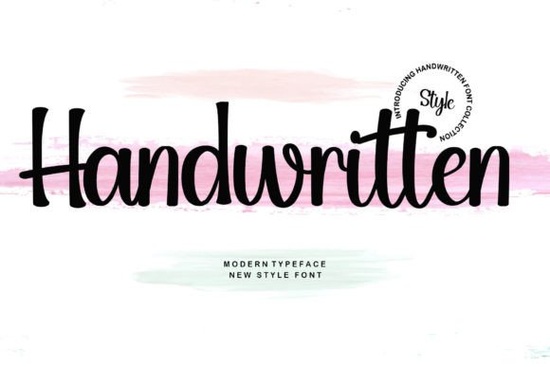
Finding the right typography can completely change the feel of a creative project. If you are looking for something that feels personal but still looks professional, the Handwritten Font is a solid choice. It blends a contemporary atmosphere with the impeccable form of timeless classic calligraphy. Whether you are designing wedding invitations, branding for a small boutique, or creating custom t-shirts, this typeface adds a touch of elegance without looking outdated.
What makes a good script font for commercial projects?
When you are selling designs or creating assets for clients, readability is just as important as style. A common mistake is choosing a typeface that is too messy. This particular design avoids that trap by keeping its letterforms clean and balanced. It gives you the organic feel of a real pen on paper while maintaining the structure needed for logos and packaging.
Many modern scripts include alternate characters and ligatures. Taking the time to learn how to access these glyphs in your design software will make your final product look much more custom and less like a default text output. If you are exploring other options in the same style, you might also look at the Smithson typeface for a slightly different vibe. Having a few reliable options in your toolkit means you can always match the exact mood your client wants.
How do you use calligraphy-style fonts in print-on-demand?
Print-on-demand sellers know that typography needs to scale well. A design that looks great on a screen might turn into a blurry mess when printed on a mug or a canvas tote bag. Because this typeface has strong, consistent stroke weights, it holds up beautifully on physical products.
Here are a few ways crafters and POD sellers use this style:
- Apparel: Short, impactful quotes on the chest or back of a hoodie.
- Drinkware: Wrapping a custom name or monogram around a coffee mug.
- Stationery: Creating elegant headers for journals and planners.
For the best results on physical merchandise, always convert your text to outlines or vectors before sending the file to your printing partner. This prevents any missing font errors and keeps the edges crisp. When pairing it with other elements, try combining it with a simple sans-serif. If you need a more delicate alternative for smaller text areas, the Front Picture lettering works nicely as a secondary accent.
Which projects work best with contemporary handwritten styles?
Small businesses and creative hobbyists often need branding that feels approachable. A highly formal, traditional script can sometimes feel too stiff for a modern coffee shop or a handmade soap brand. This typeface strikes a nice balance. It feels friendly and trendy, making it perfect for social media graphics, product labels for artisanal food, and event signage.
When using this style, consider your color palette. Muted earth tones, soft pastels, or classic black and white usually complement the elegant curves better than harsh neon colors. For those who want to experiment with different weights or variations, checking out the Ashley Southine collection can give you more ideas for lifestyle branding. The key is to let the lettering breathe. Give it plenty of negative space so the elegant curves stand out.
How do you pair this typeface with other design elements?
Mixing fonts can be tricky. The general rule is to let your script font be the star of the show. Use it for headlines, logos, or short phrases. For your body copy or longer descriptions, stick to a clean, highly legible sans-serif or a classic serif.
If you are building a larger brand kit, you might want to test how it looks alongside the Handwritten family to see if the weights match your layout. Alternatively, the Handwriting collection offers a slightly more casual feel if you need to step down the formality for a specific campaign. Always test your pairings at the actual size they will be viewed, especially for mobile screens.
What should you check before finalizing your design?
Before you send your work to the printer or publish it online, run through this quick typography checklist to ensure everything looks perfect:
- Check the kerning: Look closely at the spacing between capital letters and lowercase letters to ensure no awkward gaps.
- Test the contrast: Make sure the text color stands out clearly against the background, especially on fabric or textured paper.
- Review the scale: Zoom out to 50% to see if the text is still readable from a normal viewing distance.
- Proofread carefully: Script fonts can sometimes hide spelling errors because the connected letters look different than standard text.
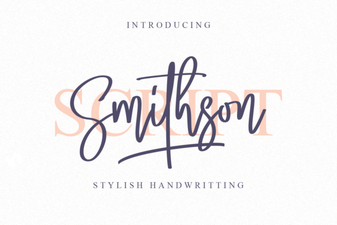 Smithson Font: Design Tips and Inspiration
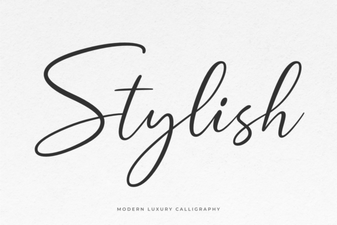 Unlocking Creativity with Stylish Web Fonts
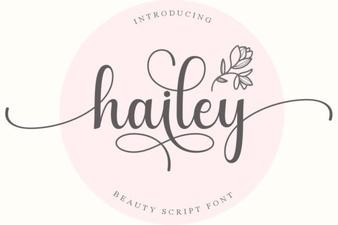 Hailey Font: Creative Design Ideas
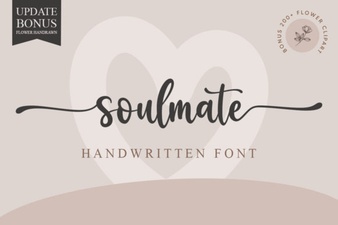 Soulmate Font: Creative Typography for Your Love Story
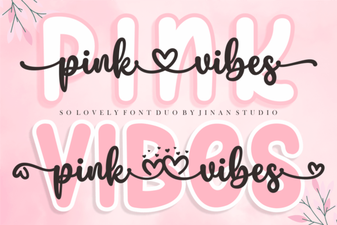 Pair & Design: a Guide to Using Pink Vibes Duo Font
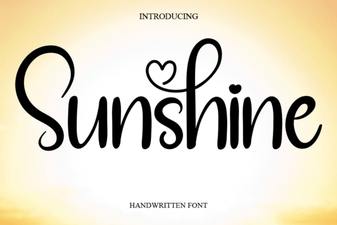 Sunshine Font: Free Download & Creative Project Ideas