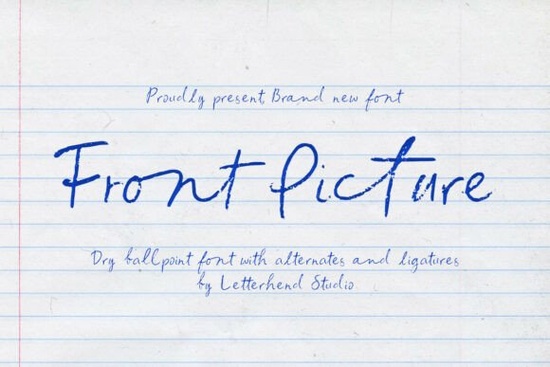
Finding the right typeface for genuine, off-the-cuff thoughts jotted on paper can be tricky. The Front Picture Font solves this by mimicking the exact look of a dry ballpoint pen scribbling in the margins of a notebook. It features uneven pressure and slightly rough strokes, giving your projects an authentic, unpolished feel that connects well with readers looking for a personal touch. This style brings a much-needed human element to digital designs, making it highly versatile for various creative applications.
What makes a handwritten typeface look authentic?
A truly realistic handwritten typeface relies on imperfections. Perfectly spaced letters and uniform line weights immediately signal that a computer generated the text. Instead, you want variations in line thickness, slight slants, and a relaxed rhythm. When you are browsing through different handwriting styles for your next project, look for these subtle quirks. They make a message feel like it was written by a real person. The slight hesitation marks and uneven baselines found in a good margin-note style create a visual rhythm that feels entirely organic and unforced.
How can crafters and small businesses use this style?
Small business owners and crafters often need text that feels approachable and friendly. If you are designing product packaging, this ballpoint pen style works beautifully for thank-you cards inserted into shipping boxes or handwritten-style notes on product tags. It pairs nicely with warm, homestyle lettering when you are creating labels for artisan foods, baked goods, or handmade candles. For print-on-demand sellers, this casual look translates perfectly onto coffee mugs, tote bags, and notebook covers. On the other hand, if your brand leans toward a more energetic and youthful aesthetic, you might mix it with playful, colorful typography to create a fun, eye-catching contrast on your promotional materials.
Which projects benefit most from a dry pen texture?
The dry pen texture gives Front Picture a very specific, slightly scratchy appearance. This is ideal for projects where you want to convey a quick, informal thought rather than a formal invitation. For example, it is perfect for journaling stickers, digital planner inserts, or casual blog graphics. While you might use smooth, elegant calligraphy for wedding invitations, this rougher style is much better suited for everyday reminders, to-do lists, or casual quotes. It also works well alongside bright, cheerful lettering if you want to highlight a specific word in a longer, handwritten sentence without losing the overall casual vibe.
What are the best practices for setting up handwritten text?
To get the most out of a casual, notebook-style typeface, you need to treat it like real ink on a physical page. Here are a few practical ways to format your text:
- Keep the color realistic: Stick to dark blue, black, or faint gray to mimic actual pen ink. Avoid neon or overly bright colors unless you are going for a very specific stylized look.
- Mind the spacing: Handwritten letters naturally bump into each other. Do not artificially increase the tracking too much, or the words will look disconnected and lose their natural flow.
- Use it for short phrases: This style is highly readable in small doses but can become tiring to read in long paragraphs. Stick to headlines, quotes, or short notes.
- Pair with clean fonts: Balance the rough, informal strokes by pairing them with a simple, clean sans-serif font for your secondary body text.
What should you check before sending your design to print?
Before you finalize your artwork or send it to the printer, run through this quick checklist to ensure your text looks natural and prints well:
- Verify that the text color matches a real pen ink shade, avoiding pure digital black in favor of a rich dark gray or navy.
- Ensure the background texture complements the rough strokes without overpowering the legibility of the letters.
- Check that the text is short enough to remain easily readable at a glance.
- Print a physical test page if you are creating physical products to see how the thin, dry lines hold up on your chosen paper stock or packaging material.
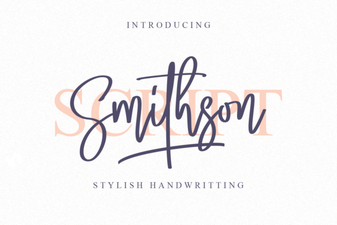 Smithson Font: Design Tips and Inspiration
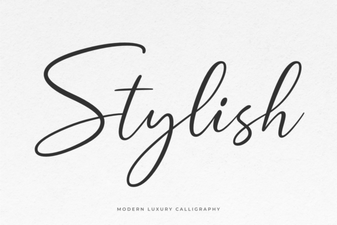 Unlocking Creativity with Stylish Web Fonts
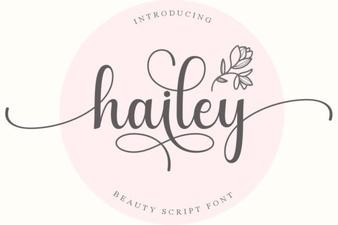 Hailey Font: Creative Design Ideas
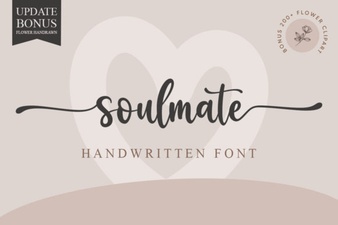 Soulmate Font: Creative Typography for Your Love Story
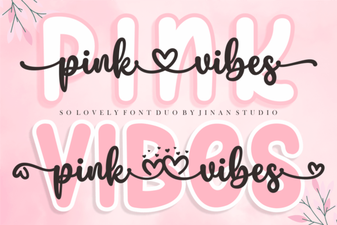 Pair & Design: a Guide to Using Pink Vibes Duo Font
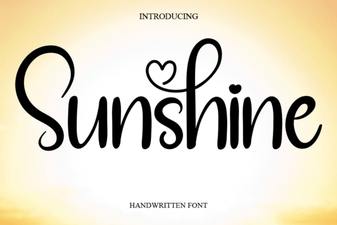 Sunshine Font: Free Download & Creative Project Ideas