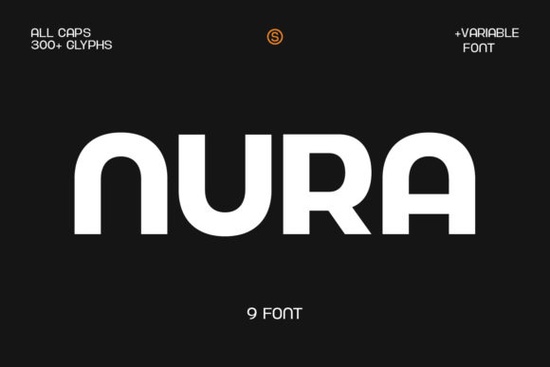
Finding the right typeface for a clean, modern project often comes down to picking a reliable sans serif. The Nura Font is a simple, neat option that strips away unnecessary details to focus on readability. Whether you are working on a new logo, setting up headlines for a poster, or creating branding materials for a small business, this typeface provides a professional look without feeling overly rigid. It is highly versatile, making it a solid choice for both digital layouts and physical prints.
What makes a good sans serif font for branding?
When building a brand identity, clarity is usually the top priority. You want your audience to read your business name instantly without struggling through overly decorative letters. A well-structured typeface gives your brand a modern, approachable feel. Small business owners often need a typeface that scales well across various mediums, from storefront signage to social media bios. If you are exploring different minimalist typography options for your next identity project, look for consistent stroke widths and open counters. These features ensure your text remains legible even when scaled down for business cards or profile pictures. This font handles these requirements well, offering a balanced weight that looks sharp on both screens and paper.
How can crafters and print-on-demand sellers use clean typefaces?
For crafters and print-on-demand sellers, readability on physical products is crucial. A complicated script might look beautiful on a screen, but it can become a muddy mess when printed on a textured canvas tote or a dark cotton t-shirt. Simple block letters and neat sans serifs solve this problem. Mugs, phone cases, and enamel pins all benefit from thick, clear lettering that does not get lost in the manufacturing process. When designing merchandise, you can pair a straightforward primary typeface with a more expressive secondary font. For instance, you might use a clean base for your main slogan and then browse through other modern lettering styles to add a contrasting subheading. This keeps the design grounded while still giving it a bit of personality.
Which projects work best with block letter styles?
Block letters and neat sans serifs shine in projects where hierarchy and structure matter. Think about editorial layouts, magazine covers, or event posters. In these formats, the main title needs to grab attention, while the subheadings need to guide the reader's eye smoothly down the page. Using a uniform typeface family helps maintain visual consistency. If you need to mix things up, you can always look at alternative geometric typefaces to create a subtle contrast between your headers and body copy. The key is to avoid using too many different fonts in a single layout, which can make the design look cluttered and unprofessional.
How do you pair this typeface with other design elements?
Pairing a simple font with the right graphics makes a huge difference in the final result. Because the letterforms are so unpretentious, they act as a blank canvas for your creativity.
- Photography: Place bold, white text over high-contrast, moody photographs for a striking editorial look.
- Illustrations: Use the typeface alongside hand-drawn doodles or watercolor elements to create a nice contrast between structured text and organic art.
- Color Palettes: Stick to monochromatic or muted color schemes to let the clean lines of the text stand out without competing for attention.
Quick checklist before exporting your final design
Before you send your files to the printer or publish them online, run through this quick review to ensure your typography looks its best:
- Check the kerning: Look closely at the spacing between individual letters, especially in all-caps headlines, to avoid awkward gaps.
- Test the contrast: Make sure your text color stands out clearly against the background, meeting basic accessibility standards for readability.
- Review the hierarchy: Confirm that your main headline is noticeably larger or bolder than your subheadings to guide the viewer.
- Proofread the copy: Always double-check for spelling and grammar errors before finalizing the layout, as typos are hard to fix after printing.
- Outline your text: If you are sending the file to a commercial printer, convert your text to outlines so they do not need to install the specific typeface on their machines.
Take a few minutes to review these steps, and your typography will always look polished and professional. Keeping your files organized and properly formatted saves you time and prevents frustrating revisions later on.
Learn More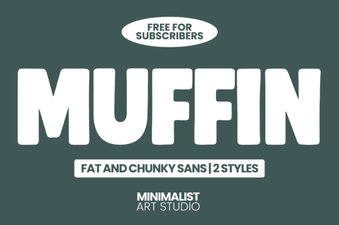 Muffin Font: Design Ideas for Creative Projects
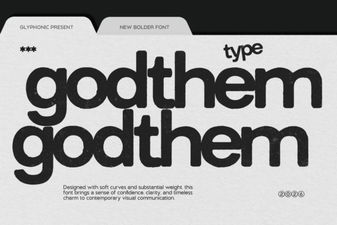 Godthem Font: Stylish Headers for Creative Projects
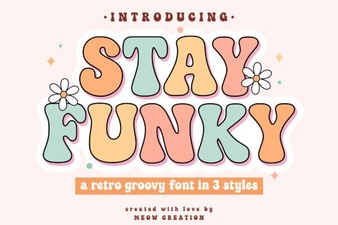 Stay Funky Font for Creative Design Projects
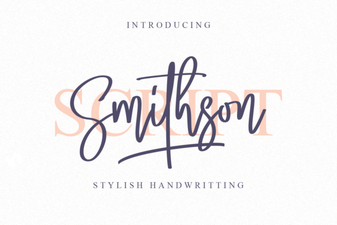 Smithson Font: Design Tips and Inspiration
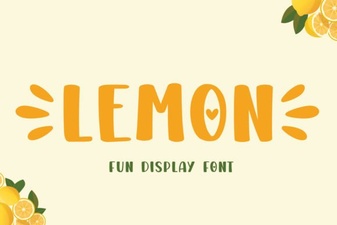 Lemon Font: Fresh Design Ideas for Creative Projects
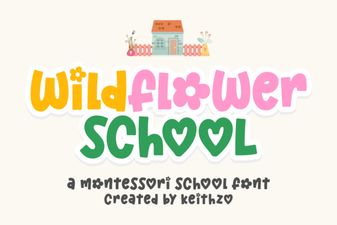 Creative Typography with the Wildflower School Font