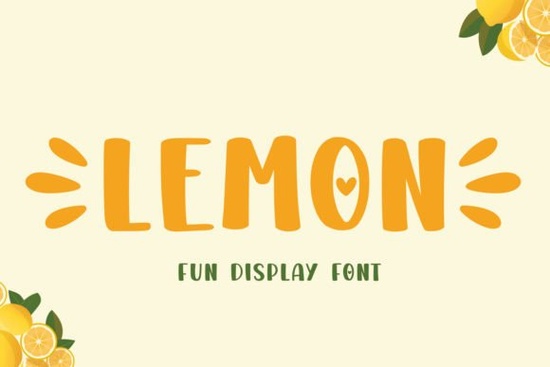
Finding the right typeface for cheerful, lighthearted projects can be tricky when you want something readable but still full of personality. Lemon Font solves this by combining a cute display style with lively, whimsical strokes. It is a highly versatile choice for designers, crafters, and print-on-demand sellers who need a fresh look for seasonal or kid-friendly creations. Whether you are making back-to-school apparel or spring greeting cards, this typeface brings a bright, positive energy to your layout without looking overly complicated.
What projects work best with this playful typeface?
This specific style shines in projects aimed at children, holidays, and casual lifestyle brands. Print-on-demand sellers often use it for summer beach tote bags, Mother's Day mugs, or autumn harvest festival posters. Because the letterforms have a bouncy, hand-drawn feel, they naturally draw the eye on physical products and social media graphics.
Here are a few ideal ways to use it in your creative workflow:
- Kids' apparel and nursery decor: The rounded, friendly shapes work perfectly on onesies, wooden name signs, and birthday party invitations.
- Seasonal greeting cards: It adds a warm, personal touch to Valentine's Day messages or spring thank-you notes.
- Crafting and scrapbooking: The thick strokes are easy to weed when cutting adhesive vinyl for custom tumblers or laptop stickers.
- Small business packaging: Use it for thank-you tags or custom tissue paper to give your brand a cheerful unboxing experience.
How does it pair with other display styles?
Mixing typefaces is essential for creating visual hierarchy in your designs. Since this font has a lot of character and thick strokes, it works best as a headline or focal point. You will want to pair it with something simpler for your subheadings or body text to keep the layout balanced.
If you are designing a vibrant summer campaign, you might want to explore other seasonal options to see what fits your specific mood board. For instance, pairing it with a relaxed, beachy vibe from a typography style inspired by endless sunny days can create a beautiful contrast. Alternatively, if your project leans more toward a bold, retro aesthetic, mixing it with a thicker, more structured vintage style helps ground the overall composition.
For school-related designs, balancing the playful energy with a handwritten aesthetic that feels like a teacher's chalkboard keeps the design cohesive and approachable. You can also experiment by contrasting it with a more eccentric, groovy typeface for a highly energetic poster. If you need to tone it down for a more refined look, try using a clean, elegant script for the secondary text to let the main headline stand out clearly.
Is it easy to use for physical crafts like embroidery and vinyl cutting?
When moving from digital design to physical production, the structural integrity of the letterforms matters. Fonts with extremely thin lines or disconnected dots can cause headaches for crafters. Fortunately, this typeface features solid, continuous strokes that hold up well in various manufacturing processes.
For embroidery, the thick lines provide enough surface area for satin stitches without causing the fabric to pucker. Just make sure to scale the text up so the smaller details, like the loops and curves, do not get lost in the thread density.
For vinyl cutting on machines like Cricut or Silhouette, the bold weight means you will spend less time weeding tiny inner loops. The letters connect smoothly, which is incredibly helpful if you are cutting a single word as a continuous decal for a car window or a storefront glass.
How should you prepare your files before production?
Before you send your design to print or start your cutting machine, run through this quick checklist to ensure the best possible results for your final product:
- Check the kerning: Adjust the spacing between specific letter pairs manually if the bouncy baseline makes certain words look uneven.
- Test the scale: Print a paper mockup at actual size to verify the text is legible from a normal viewing distance.
- Simplify for small items: If applying the design to a small surface like a pen or a keychain, use shorter words to maintain the thickness of the strokes.
- Choose high-contrast colors: Pair the font with bright, solid background colors to make the playful shapes pop on physical merchandise.
- Outline your text: Always convert your text to outlines or paths before sending files to a professional printer to avoid missing font errors.
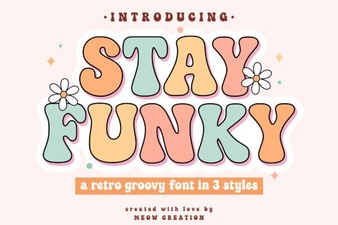 Stay Funky Font for Creative Design Projects
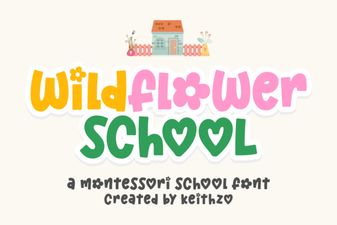 Creative Typography with the Wildflower School Font
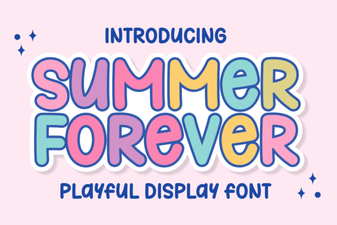 The Summer Forever Font: Creative Design Ideas & Tips
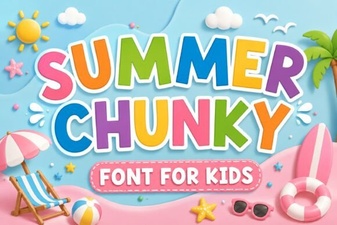 Design Tips: Using Chunky Fonts for Summer Projects
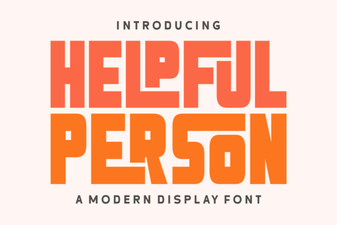 Helpful Design Fonts for Creative Projects
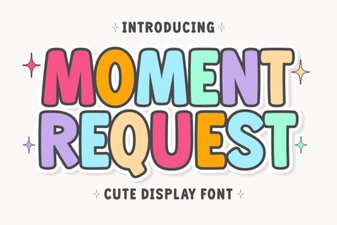 Moment Request Font: Design and Integration Tips