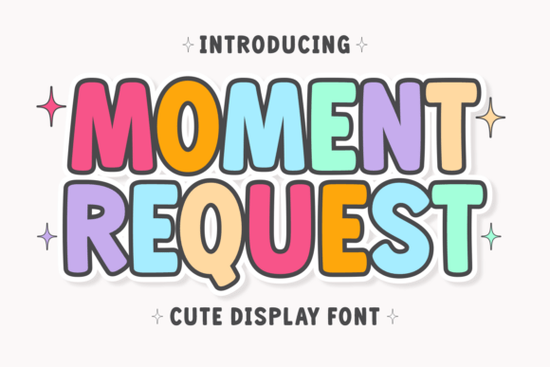
Finding the right typeface for a fun, retro-inspired project can take a lot of trial and error. If you are working on a design that needs a mix of seventies nostalgia and modern readability, the Moment Request Font is a highly practical choice. This display typeface brings a bubbly, geometric feel to your text, making it highly effective for things like birthday party invitations, casual game interfaces, and summer camp flyers. It strikes a nice balance between groovy vintage styles and fresh boho aesthetics, giving your letters a cheerful, candy-store vibe without sacrificing legibility. Designers and small business owners often look for this specific blend of playful and professional.
What kind of projects work best with this typeface?
When you are deciding where to use this typeface, think about projects that need a bold, maximalist look. It works exceptionally well for print-on-demand sellers creating graphic T-shirts, mugs, or tote bags. The thick, rounded letterforms stand out nicely on fabric and merchandise. If you are designing digital planners or YouTube thumbnails, the chunky proportions grab attention quickly on small screens. For those who enjoy mixing different styles in a single layout, you might pair it with a lighter, more delicate script like the wildflower school display option to create visual contrast. It also pairs beautifully with other retro-inspired choices, such as a summer forever typeface, if you want to build a cohesive branding kit for a seasonal campaign or a boutique logo.
How does it handle different languages and special characters?
One common frustration for small business owners and crafters is finding a stylish font that actually supports the characters they need. This typeface includes multilingual support, which means you can confidently use it for international clients or diverse community events. Whether you are making stickers for a local market or branding a global online shop, the extended character sets ensure your text looks consistent across different languages. The geometric undertones keep the special characters, numbers, and accented letters looking just as intentional and well-designed as the standard alphabet. This reliability saves you from having to swap out letters manually when working on multilingual packaging or signage.
Can I mix it with other display fonts?
Mixing typefaces is a great way to add depth to your layouts, but it requires a bit of balance. Since this font has a strong, funky personality, you want to pair it with something that either complements its retro vibe or tones it down. If you are working on a bright, energetic poster, try combining it with a sunday bright display style to keep the mood cheerful and upbeat. On the other hand, if you need a more grounded, earthy feel for a boho-themed wedding invitation or an artisan product label, a helpful person typeface can provide a nice, steady contrast to the bubbly curves. For extremely bold, heavy headlines where you want maximum impact on a billboard or a large banner, you might even test it alongside a summer chunky alternative to see which weight fits your specific canvas better.
What are the best settings for cutting machines and printing?
For crafters using Cricut or Silhouette machines, thick display fonts are usually a dream to work with. The solid, continuous lines mean fewer weeding headaches when cutting vinyl for decals, car windows, or apparel. When preparing your files, make sure to convert your text to outlines or paths before sending it to the cutting software. This prevents any missing font errors and keeps the edges crisp. For direct-to-garment or screen printing, the bold weight holds up well, but you should avoid making the text too small. Keep the point size large enough so the intricate geometric details do not get lost in the ink spread. Always do a test cut or a test print on a scrap piece of material before running your final batch.
Before you finalize your next design, run through this quick checklist to ensure your typography looks its best:
- Check contrast: Make sure the thick letterforms stand out clearly against your background color or pattern.
- Mind the kerning: Adjust the spacing between specific letter pairs if the bubbly curves overlap awkwardly.
- Test the scale: Print a physical proof or view your digital design at actual size to ensure the text is readable from a normal viewing distance.
- Outline your text: Always convert fonts to shapes before sending files to a printer or cutting machine to avoid formatting errors.
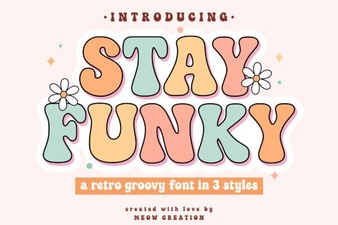 Stay Funky Font for Creative Design Projects
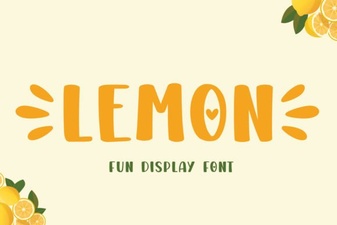 Lemon Font: Fresh Design Ideas for Creative Projects
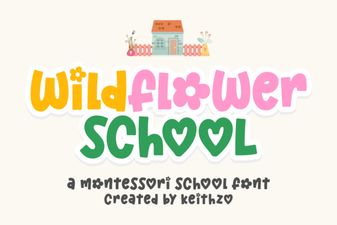 Creative Typography with the Wildflower School Font
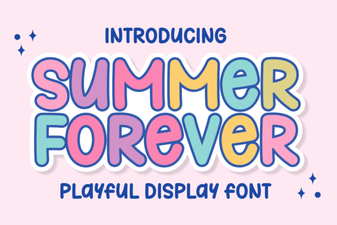 The Summer Forever Font: Creative Design Ideas & Tips
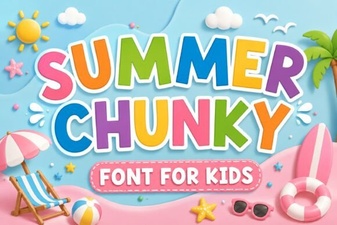 Design Tips: Using Chunky Fonts for Summer Projects
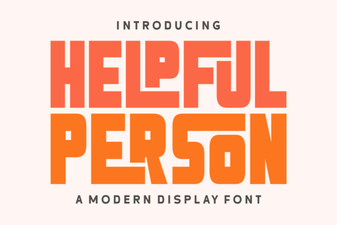 Helpful Design Fonts for Creative Projects