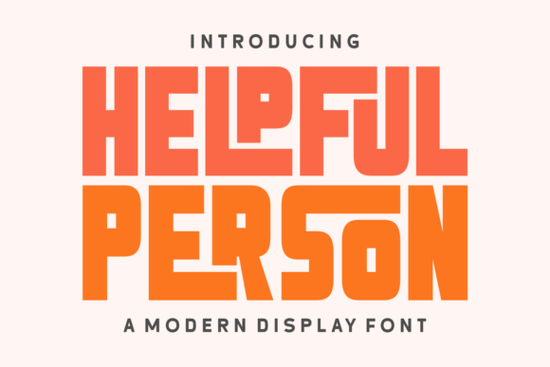
When you need a typeface that feels both nostalgic and bold, the Helpful Person Font is a fantastic choice for your next project. As you browse the helpful person display collection, you will notice this retro typeface blends chunky block structures with soft curves and playful ligatures, giving it a distinct 1970s vibe. Whether you are designing vintage clothing labels, holiday greeting cards, or eye-catching event posters, this lettering style brings a warm, recognizable charm to your work. The thick, imposing letters immediately grab attention, making it an excellent pick for creative hobbyists and small business owners looking to make a strong visual statement.
What makes this retro typeface stand out for crafters and small businesses?
The main appeal of this Helpful Person typeface lies in its careful balance of heavy, imposing letters and lighthearted details. For print-on-demand sellers and crafters, readability and character are everything. The PUA encoding means you can easily access all the extra glyphs and ligatures without needing specialized design software. This is incredibly useful when you are working in basic programs like Cricut Design Space or Silhouette Studio to cut vinyl decals or design custom t-shirts. The playful ligatures connect certain letter combinations smoothly, giving your text a custom, hand-lettered appearance without the extra effort of drawing it yourself.
How can you use this 70s style lettering in your design projects?
Display fonts are best used for short, impactful text rather than long paragraphs. Because the letters are thick and detailed, they need room to breathe on the page. Here are a few practical ways to apply this style to your work:
- Branding and Logos: Create memorable wordmarks for coffee shops, bakeries, or boutique stores that want a cozy, vintage feel.
- Packaging: Add a nostalgic touch to candle labels, soap wrappers, or artisan food packaging to stand out on crowded shelves.
- Apparel: Design retro-style sweatshirts, tote bags, and enamel pins that appeal to modern thrift-store aesthetics.
- Event Stationery: Use it for bold wedding invitations, Thanksgiving menus, or holiday party flyers.
If you want to explore other options in this genre, you might also like the groovy feel of the lemon typeface or the playful, hand-drawn look of the wildflower school lettering. Both offer a similar nostalgic energy but with their own unique quirks for different moods.
Which design tools work best with PUA encoded fonts?
One of the biggest frustrations for hobbyists is buying a beautiful typeface and not knowing how to access the special characters. Because this file is PUA encoded, the extra ligatures and swashes are mapped to standard keyboard characters, making them accessible across almost all platforms.
If you use Adobe Illustrator or Photoshop, you can simply open the Glyphs panel to find and insert the alternate characters. For those using Canva, the special characters usually appear in the font menu once the file is uploaded to your brand kit. When working with cutting machines, you can use the character map on your Windows PC or the Character Viewer on your Mac to copy and paste the specific ligatures directly into your cutting software. This simple workaround saves time and keeps your workflow smooth.
What are some good font pairings for a chunky retro style?
Pairing a heavy display typeface requires a clean, simple secondary font to keep your overall design readable and balanced. Since the main letters are thick and command attention, your body text should be light, unobtrusive, and easy to read at smaller sizes.
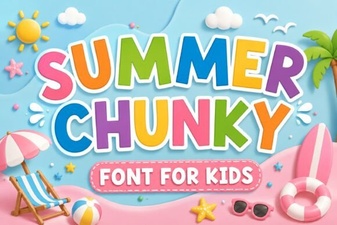
A classic sans-serif or a clean geometric font works perfectly for subheadings, paragraphs, and contact information. If you are building a larger typography collection for your studio, you might want to look into the bold structures of the summer chunky lettering for a bright seasonal project, or the relaxed, wavy baseline of the stay funky typeface for a more casual, laid-back vibe. Mixing these complementary styles allows you to maintain a cohesive retro theme across different marketing campaigns and product lines.
A quick checklist before you start designing
Before you finalize your layout and send your files to print, run through this simple checklist to ensure your typography looks professional:
- Check the licensing terms to ensure commercial use is allowed for your specific project, especially for physical print-on-demand items.
- Test your chosen ligatures at different sizes to make sure they remain legible when scaled down for business cards or social media graphics.
- Keep your background simple and uncluttered so the thick, chunky letters do not get lost in busy patterns or heavy textures.
- Limit your use of display lettering to titles, headers, and short phrases to maintain a clean, easily readable layout.
- Print a physical proof if you are creating large signage or apparel to check how the ink handles the thick curves and tight spaces.
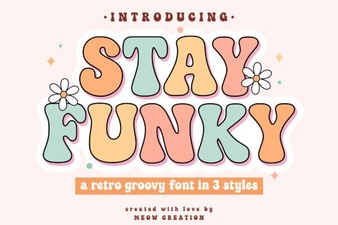 Stay Funky Font for Creative Design Projects
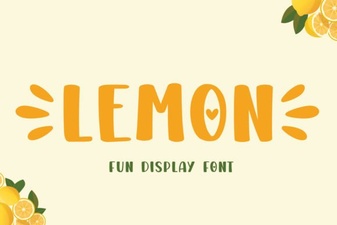 Lemon Font: Fresh Design Ideas for Creative Projects
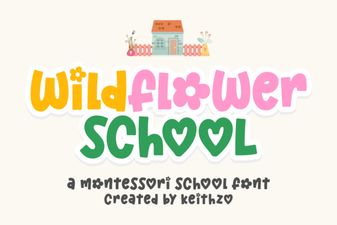 Creative Typography with the Wildflower School Font
 The Summer Forever Font: Creative Design Ideas & Tips
 Design Tips: Using Chunky Fonts for Summer Projects
 Moment Request Font: Design and Integration Tips